
★★★★★ Serving Tennessee since 2014
The Report Card Told You There’s a Problem. A Brain Map Tells You Why.
After a semester of guessing, you’ve heard plenty of theories about why your child can’t focus, melts down, or shuts down at the homework table. A QEEG brain map shows you the actual pattern — where their brain is working too hard, where it isn’t working hard enough, and what to do about it. About 40 minutes. No needles. No medication required.

Recognized by the American Academy of Pediatrics as a Level 1 “Best Support” treatment for ADHD.
FSA/HSA funds expire Dec 31?
Brain maps and sessions are typically eligible.

First step is a Brain Map: $199 (regularly $750)
Why Tennessee Chooses TN Neurofeedback
Board Certified Neurotherapists
Licensed Mental Health Team
Non-Invasive & Drug Free
3 Locations Statewide
The Problem
You’ve Spent a Semester Guessing. A Brain Map Shows You What's Actually Going On.
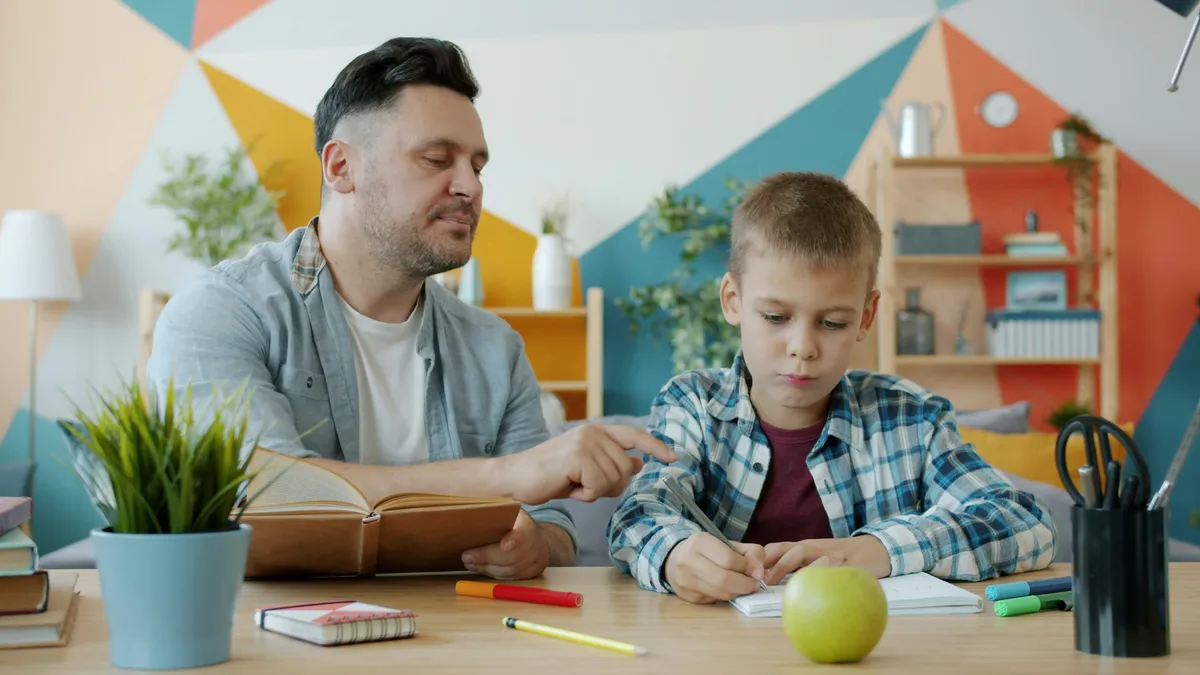
A child’s brain can get stuck in patterns that make focus, regulation, and learning harder than they should be. Tutoring, charts, consequences, and conversations treat what you can see. None of them fix a pattern nobody has actually looked at.
The behavior isn’t the cause.
Two children with the same diagnosis can have completely different brain patterns. Without a map, any treatment plan is an educated guess.
Report cards tell you there's a problem. Not why.
Grades and teacher notes tell you something is wrong. A brain map tells you where, and that’s the part you can act on.
You’ve already tried enough things.
Years of “almost working.” A QEEG takes about 40 minutes and tells you where to actually begin.
Does any of this sound like your house?
Homework takes two hours and ends in tears
Mornings and transitions are a daily battle
Emotional outbursts that seem to come from nowhere
Bedtime and sleep are never quite settled
The same concerns from teachers, year after year
Medication helps some things and not others
Medication isn’t a direction you want to go
The Solution
A Brain Map Shows the Problem. Neurofeedback Helps Change It.
Neurofeedback is drug-free brain training. Using your child’s map as the guide, they watch a show or play a game while sensors read their brainwaves. When the brain produces calmer, more focused patterns, the screen stays bright and clear. When it drifts, the picture dims.
No talking. No effort. No homework. Over a series of sessions, the brain learns to hold the better pattern on its own — one of the most-researched non-drug approaches for ADHD.
Sharper focus.
Starting and finishing tasks gets easier, in class and at the kitchen table.
Calmer Days
Better regulation means fewer meltdowns and smoother mornings.
Real Confidence
A child who feels capable, instead of the kid who’s always in trouble.
For Parents Who Want a Drug-free Solution Backed by Real Science.
Neurofeedback is one of the most researched non-drug approaches for ADHD and is also used to support children with autism, behavioural challenges, and other neurodivergent needs through personalized brain training.
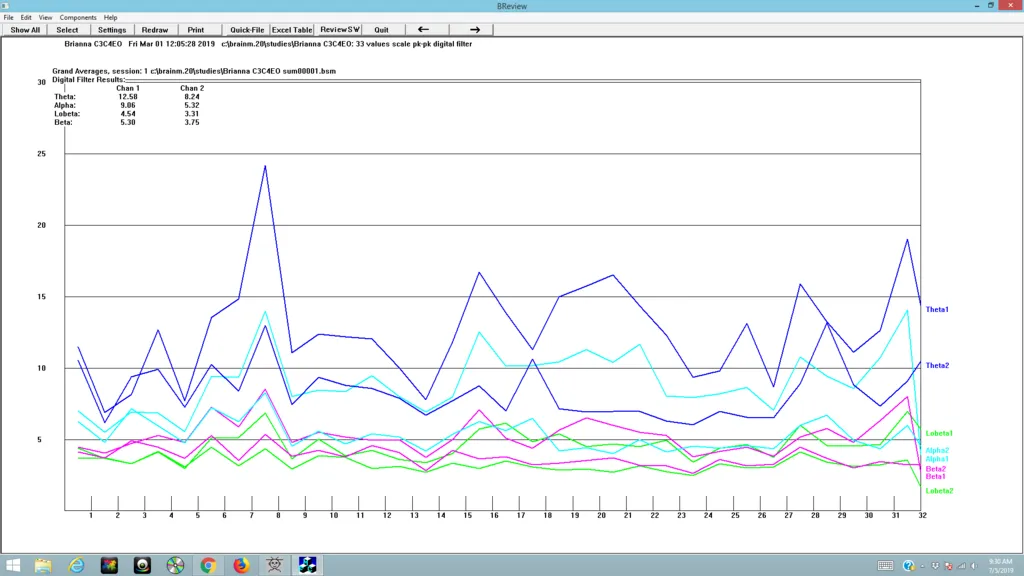
Your Child Can See Significant Improvements In 10 Sessions!
Session #1
Brain activity may be less regulated, which can contribute to difficulties with focus, emotional regulation, and everyday functioning.
Session #10
After neurofeedback training, brain activity may become more regulated, supporting calmer, more focused brain states.
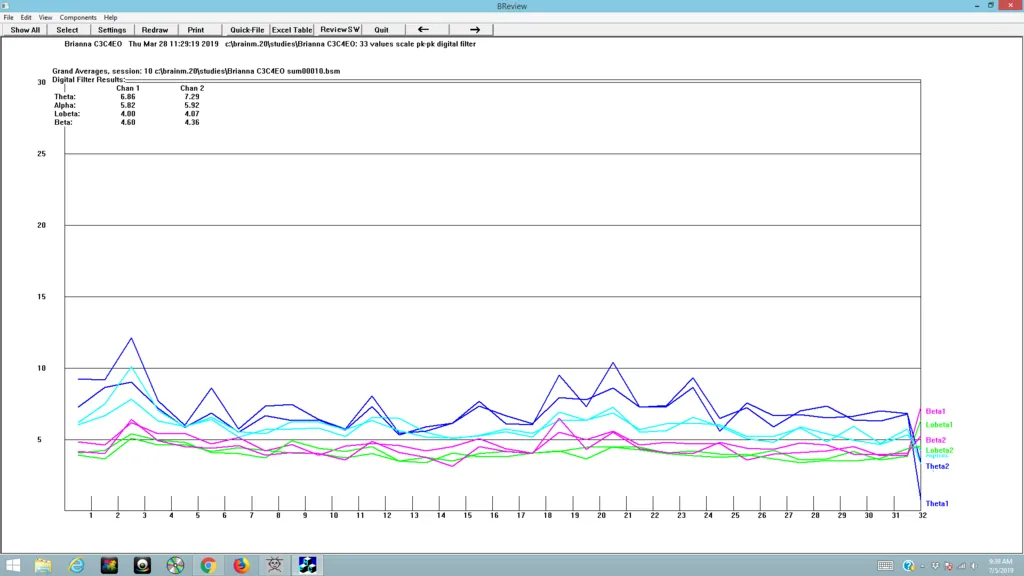
*Results vary. Book a consultation to see if neurofeedback is right for you.
What you'll experience
From First Call to Real Change.
No long commitment to find out what's going on. A clear path, one step at a time.
1. Free Initial Consultation
We talk through what you’re seeing at home and at school, and whether this is a fit. If it is, we can book your brain map on the call.
2. QEEG Brain Map - $199 (regularly $750)
A sensor cap reads your child’s brainwave activity for about 40 minutes. No needles, no radiation, no discomfort. Most kids find it boring, which is the goal.
3. Review + Personalized Plan
A board-certified neurotherapist walks you through the map in plain language and builds a training plan around your child. Not around a diagnosis label.
4. Neurofeedback Training
Most families train two to three times a week, in-clinic or at home. Many notice the first changes within 10 to 15 sessions.
Start with a free 15-minute consultation.
A short call to understand what’s going on and see whether a brain map is the right next step. If it is, we can book it before we hang up.
15-minute phone call
Speak directly to our team
Financing options available
In-clinic or remote training
No obligation
Questions Parents Ask Us
How much does the whole thing cost?
The brain map is $199. A full training program typically runs 20-sessions and is $2,200 but depends on your child’s plan and whether you train in-clinic or at home. Financing is available and we’ll walk you through the options on your call. We’d rather tell you now than surprise you later.
Is it covered by insurance?
Most of the time it is not covered by insurance but you can check with your carrier. We do accept FSA/HSA.
Is it safe for kids?
Yes. Neurofeedback is non-invasive and sensors read activity, they don’t send anything into the brain. We’ve worked with children as young as six.
What if my child can’t sit still?
Most can’t, at first. The training is passive and they watch a movie that keeps most kids engaged and our techs are trained in redirecting restless little ones.
How many sessions will we need?
Most families book an initial 30-session protocol (2–3 visits per week). Many parents notice calmer mornings and better focus by session 10, but every brain learns at its own pace.
Will the results last or will we be doing this forever?
Tennessee Neurofeedback teaches the brain a self-regulating skill; once learned, gains generally hold unless there’s a big life stressor or concussion. Some families schedule “tune-ups” during exam season or growth spurts.
Does my child need an official ADHD diagnosis first?
No. Because Tennessee Neurofeedback is a training tool (not a medical treatment), children can benefit whether they have a formal diagnosis, suspected ADHD, or are simply struggling with attention.
What about medications—do we have to stop them?
Absolutely not. Many families use Tennessee Neurofeedback alongside current care; any medication changes should always be discussed with your prescribing physician.
Are there side effects?
Very rare. Some kids feel mildly tired or energized for an hour afterward—both signs the brain is reorganizing. There are no known negative long-term effects.
Meet Kaka Ray, LMFT, BCN
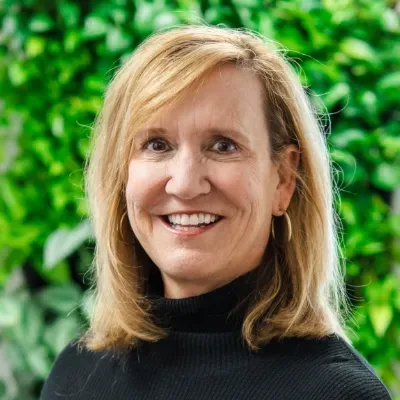
Kaka Ray is a Licensed Marriage and Family Therapist and Board-Certified Neurotherapist (BCIA). She specializes in brain-based treatments and trauma resolution.
After 15 years of counseling, Kaka expanded her practice to include neurofeedback following advanced training in trauma research and brain-based modalities.
In 2017, she founded Tennessee Neurofeedback to provide accessible neurofeedback services to individuals facing ADHD, trauma, anxiety, and performance challenges.
She is master-trained in Brainspotting and integrates intensive therapy models with neurofeedback to increase efficiency and effectiveness of treatment.
Second Semester Can Look Different.
You just got the first report card of the year. You already know what it says.
Start now and your child has a full semester to change the pattern — not another year of guessing.
It begins with a 15-minute call.
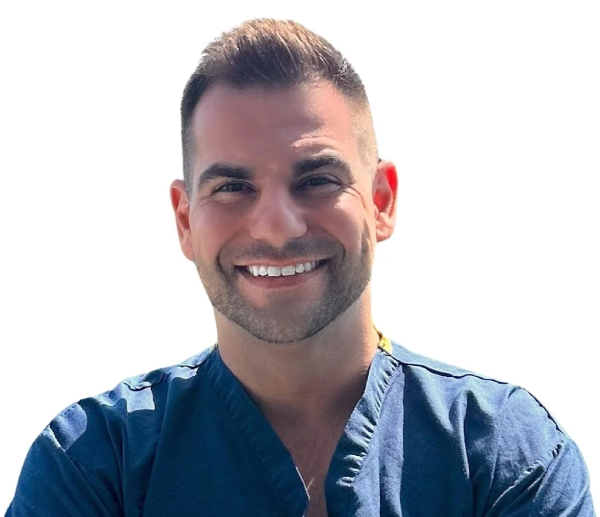
Psychedelic-Assisted Care Led By
Binyamin Shimshoon, R.N.
Registered Nurse
Clinician-Led, Medically Supported Care
Psychedelic-Assisted Care Led By
Binyamin Shimshoon, R.N.
Registered Nurse
Clinician-Led, Medically Supported Care
© 2024 TN Neurofeedback All Rights Reserved.
Phone: 615-290 8798
5409 Maryland Way #307 Brentwood, TN 37027
3085 South Broad Street, Chattanooga, 37408
4315 Kingston Pike, Suite 210, Knoxville TN 37919